Six Hangers Run Your Life. The Rest Are Emotional Furniture.
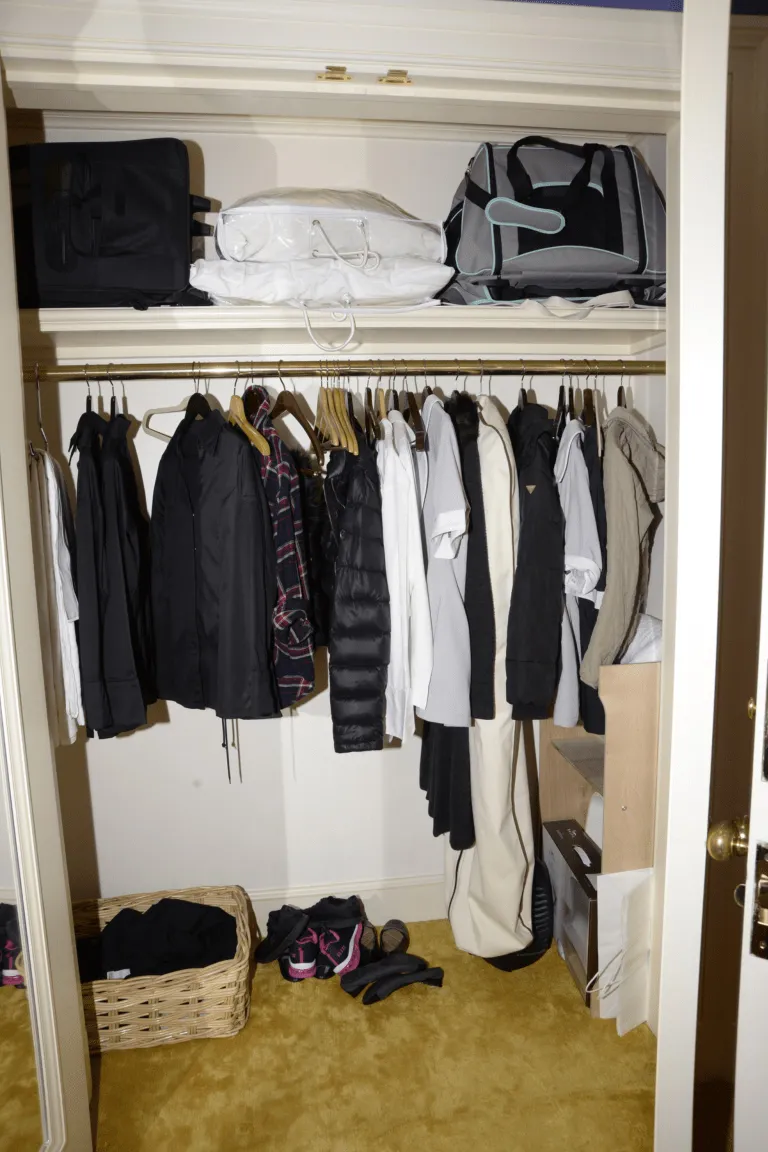
Photo: Federal Bureau of Investigation, Public domain, via Wikimedia Commons
At 7:42 on a gray Tuesday, the bed is a landslide of maybe. There's the striped shirt bought for a party three summers ago. The blazer that promised a promotion. The jeans that fit on exactly one weekend last spring. And yet the hand reaches past all of it for the same black cardigan, the same dark jeans, the same beat-up sneakers.
This is not a personal failing. It's a census problem. Most closets are not democracies. They're small governments run by a handful of incumbents, while the rest of the hangers wave from the balcony and wait for a special session that never comes.
The Six-Piece Cabinet
When you actually count what gets worn, the math gets rude fast. A small fraction of the closet handles the bulk of the mornings. Call it the closet Pareto principle: a tiny crew of pieces shows up in every photo, every grocery run, every 'I have nothing to wear' panic. The rest are not exactly useless. They're just ceremonial.
The workhorses tend to be boring in the best way: dark jeans, a gray tee, a cardigan, a pair of sneakers, one dress that works for three seasons, a jacket that survives coffee spills. None of them are aspirational. All of them are operational. They don't require a mood board. They require a hamper.
Why the Bridesmaid Dress Refuses to Leave
Then there are the outliers. The bridesmaid dress from a wedding in another state. The concert tee from a night you can't quite remember. The expensive blazer bought for an interview you didn't get. These pieces are not really clothing anymore. They're memory storage with sleeves.
That's why they survive every purge. You're not keeping a dress; you're keeping a version of yourself who danced badly in a hotel ballroom. You're not keeping the blazer; you're keeping the hope that one day the right meeting will require it. Sentiment is a powerful preservation technology. It also eats closet real estate like a raccoon in a cooler.
The trick isn't to evict the past. It's to move it to a less trafficked zip code. A bin on the top shelf. A garment bag in the guest room. A vacuum-sealed brick labeled 'wedding era' in handwriting you'll regret. Memory deserves a home. It doesn't need prime hanger space next to your Tuesday jeans.
The Three-Tier Audit: Starting Six, Bench, Shrine
Here's a sorting system that doesn't require a whole weekend or a personality change. It requires one laundry basket, one timer, and a willingness to be honest about your actual life.
Tier 1: The Starting Six. These are the pieces you wore in the last thirty days, the ones that show up in your camera roll without trying, the ones you'd grab in a fire drill. Keep them front and center. If you want to get fancy, hang them by category. If you don't, just make sure they're the easiest things to reach at 7:42 a.m.
Tier 2: The Bench. Seasonal players, occasion pieces, weather backups. The heavy coat, the swimsuit, the one nice shirt for a dinner that happens twice a year. These aren't daily starters, but they're not memories either. Store them where you can find them without a ladder. Label the bin. Future you is not a detective.
Tier 3: The Shrine. Sentimental pieces, aspirational pieces, sunk-cost pieces. The dress, the band tee, the jeans that will fit again when the moon is in the right house. Box them, bag them, or hang them in a spot that doesn't compete with your actual wardrobe. You don't have to throw them away. You just don't have to trip over them every morning.
The system works because it doesn't ask you to become a minimalist. It asks you to notice who's actually showing up for work.
The Closet Census, Run in Twenty Minutes
You don't need to pull everything out and build a color-coordinated dream closet. Start with the shelf and the rod you use most. Set a twenty-minute timer. Ask one question of each piece: would I wear this to Target on a Saturday? Not to a gala, not to a job interview in a movie, not to a version of my life that requires a steamer. Target. Saturday.
If yes, it stays in the daily zone. If no, it goes to the bench or the shrine. If you can't decide, it goes in a 'maybe' bag with a date on it. If you haven't opened the bag by February, you have your answer. The bag isn't a punishment. It's a tiny parole hearing for your clothes.
The Rest Are Not Failures
The hangers with feelings are not a moral indictment. They're evidence of a full life: weddings attended, concerts survived, ambitions purchased on sale. But they don't need to run the morning. The starting six can do that. The bench can wait. The shrine can hold the memories.
So the next time you stand in front of a stuffed closet and announce that you have nothing to wear, remember: you probably have exactly six things to wear. You just need to move the other forty out of the way.