Skip the Skyline: A One-Day Tour of Your City's Forgotten 80 Percent
Most people treat their own metro area like a hotel lobby: they pass through it, complain about the parking, and never ask what is behind the front desk. According to the unofficial Niven 8020 field theory, the average resident visits maybe 20 percent of what their city offers — and usually the same 20 percent everyone else visits. The waterfront. The one museum with the big banner. The restaurant where the server asks if you have been there before, and you have, because it is the only place you can think of.
This is not a scolding. It is an invitation to spend one day as a deliberate tourist in your own zip code. No flights, no hotel toiletries, no gift shop keychain. Just a route built on the overlooked 80 percent: the neighborhood with the good taqueria and the weird mural, the museum run by volunteers with a passion for lawn mowers, the free observation deck locals have driven past for decades without stopping.
The 80/20 Tourist Trap
Tourists are efficient. They hit the top attractions because they have three days and a guidebook. Residents are efficient in a different way: they hit the same top attractions because they know they are fine. The result is a city that feels familiar and weirdly unexplored, like a streaming service where you watch the same nine episodes.
The fix is not to do more. It is to do differently. Pick a single day, pick a radius of maybe 20 miles, and commit to places you have never entered. The only rule: no chain restaurants you can find off any highway exit. The second rule: if you have said 'we should check that out sometime' more than twice, it goes on the list.
Morning: The Neighborhood Nobody Puts on a Postcard
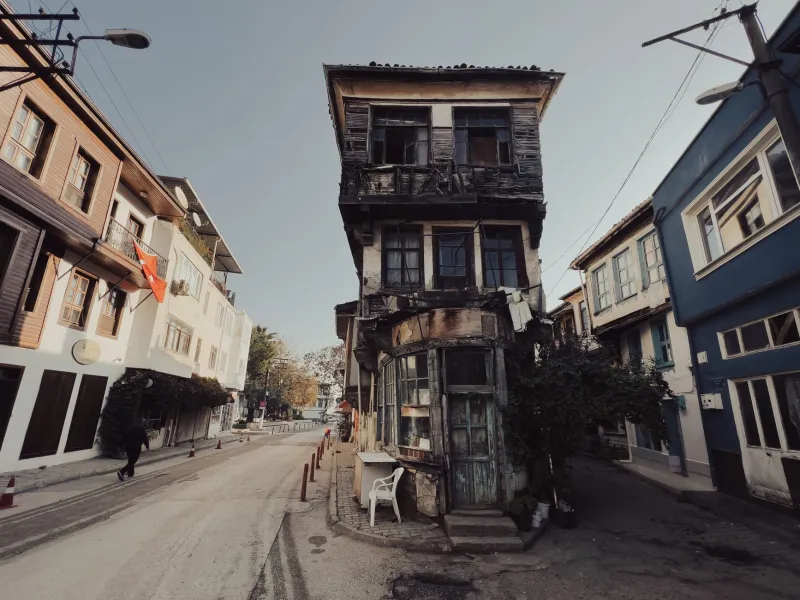
Start where the tourists do not. Every US city has a pocket neighborhood that locals describe with a wave of the hand — 'oh, that is where the old theater is' — and outsiders never hear about. Look for the blocks with a hardware store, a bakery that opens at 6 a.m., and a mural that is either beautiful or deeply confusing. Walk for 30 minutes without a destination. Read the historical plaques. Buy a pastry you cannot pronounce. This is the 20 percent of the morning that will make the other 80 percent of the day feel like a discovery.
Lunch: A Museum With a Weird Collection
Every metro area has at least one museum that sounds like a joke and turns out to be sincere. The museum of telephone history. The medical oddities collection. The one-room tribute to a local inventor who almost changed the world. These places are rarely crowded, often free or cheap, and staffed by people who will tell you more than you asked. That is the point. Spend an hour. Ask the volunteer what object they would save in a fire. You will get a story you cannot find on a tourism app.
Afternoon: The Free Attraction You Have Driven Past 400 Times
Now for the guilt portion of the itinerary. There is a free attraction near you — a botanical garden, a historic cemetery, a public art walk, a river overlook, a capitol building tour — that you have passed so often it has become furniture. Today, you stop. Free attractions are the stealth 80 percent of local tourism: low risk, high weirdness, no reservation required. Go in. Take the tour. Read the sign that explains why the statue is holding a fish. You will either love it or get a great story about the time you did something local.
Evening: The Local Institution With a Line of Regulars
End with food, but not the place with the Instagram line. Find the restaurant that has been open for 40 years and has a menu that has not changed since the first Bush administration. The one where the server calls you hon and the dessert is somehow both famous and underrated. This is the 20 percent of the city that residents actually love; it just never makes the list because it does not need to. Eat slowly. Tip well. Then walk one block in a direction you have never walked before. That is the whole day.
The Rules of the Day
One: no research beyond a 10-minute map scan. Overplanning turns discovery into a checklist. Two: talk to one stranger who works at a place you visit. Three: take exactly three photos, none of them of a skyline. Four: if something is closed, do not pivot to a chain. Pivot to the next weird thing. Five: write down one place you want to return to. That is your new 20 percent.
The goal is not to become a tourist in your own city forever. It is to remember that the place you live is not a backdrop. It is a collection of small, specific, occasionally strange places that reward the person who stops saying sometime and starts saying Tuesday.